Container Gardening
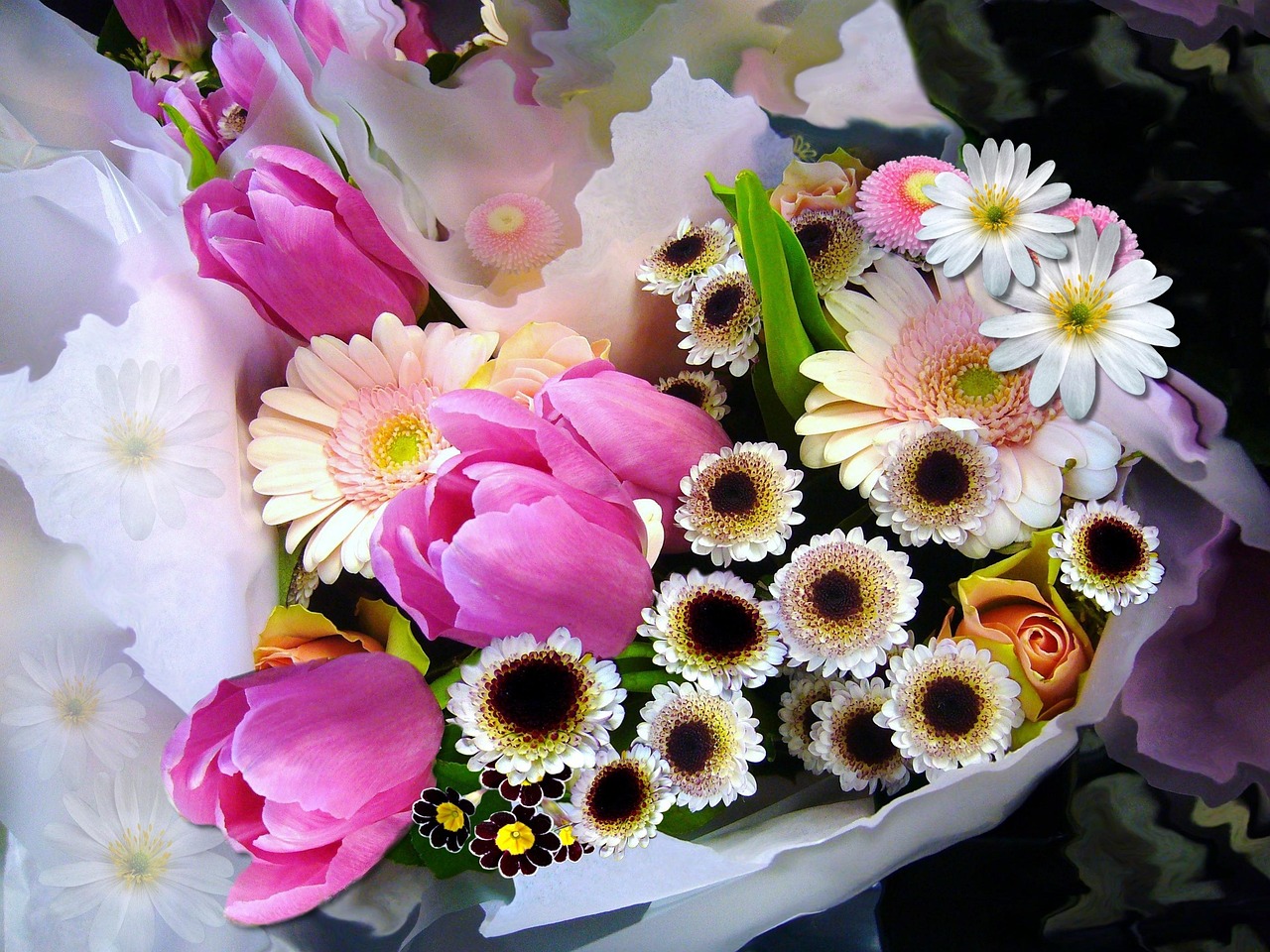
Ask most gardeners to name their favorite plants and they will list flowers. But ask a floral designer, and you will hear a different answer. Foliage is what gives an arrangement its shape, its rhythm, and its sense of place. A bouquet of nothing but blooms can look like a grocery store display; add a few stems of interesting leaves and it suddenly looks like a garden.
The good news is that you probably already grow more foliage than you realize. Shrubs, herbs, and even vegetables offer leaves that hold beautifully in water and often last longer than the flowers themselves. Learning to see your garden as a source of greenery — not just color — will transform how you arrange.
Some leaves are born for the vase. Scented geraniums offer soft, textured foliage with fragrances from rose to lime. Heuchera brings deep burgundy, caramel, or chartreuse tones that anchor a color scheme. Rosemary, bay, and myrtle are wonderfully long-lasting and add a quiet Mediterranean elegance. Even humble herbs like mint, sage, and parsley can be tucked into small posies for a kitchen-herb charm.
For structure, look to shrubs. Pittosporum, euonymus, and viburnum all hold their shape for days. Smoke bush offers dusky purple leaves that look almost like flowers themselves. And don't overlook the foliage of flowering plants after their blooms fade — peony leaves, for example, are glossy and handsome, and rose leaves can be surprisingly elegant when arranged deliberately.
Texture matters as much as color. Mix smooth, waxy leaves with fuzzy, matte, or variegated ones. A single variegated leaf can lift a whole arrangement, catching light in a way plain green never does. Grasses — especially fine, arching ones like Stipa or Deschampsia — bring movement and a sense of breeze, even indoors.
Cut foliage in the morning, when stems are full of water. Make a clean diagonal cut, strip the lower leaves, and place stems in cool water for a few hours before arranging. Some woody stems benefit from being split or scraped at the base to help them drink. Change the water every day or two, and re-cut stems if they start to look tired.
The easiest way to design with foliage is to think of it as scaffolding. Begin with a few strong stems to establish height and width, then add flowers into that framework. Or reverse the approach: arrange your foliage first, as if making a green bouquet, then slot flowers into the gaps. The result feels layered and generous, the way a garden looks in late summer.
Best of all, foliage is forgiving. If a leaf wilts or a stem bends, you can simply remove it — the arrangement rarely suffers. Flowers demand attention; foliage rewards a relaxed hand. Learn to lean on it, and your bouquets will look more confident, more seasonal, and more like you.
