Cutting Gardens
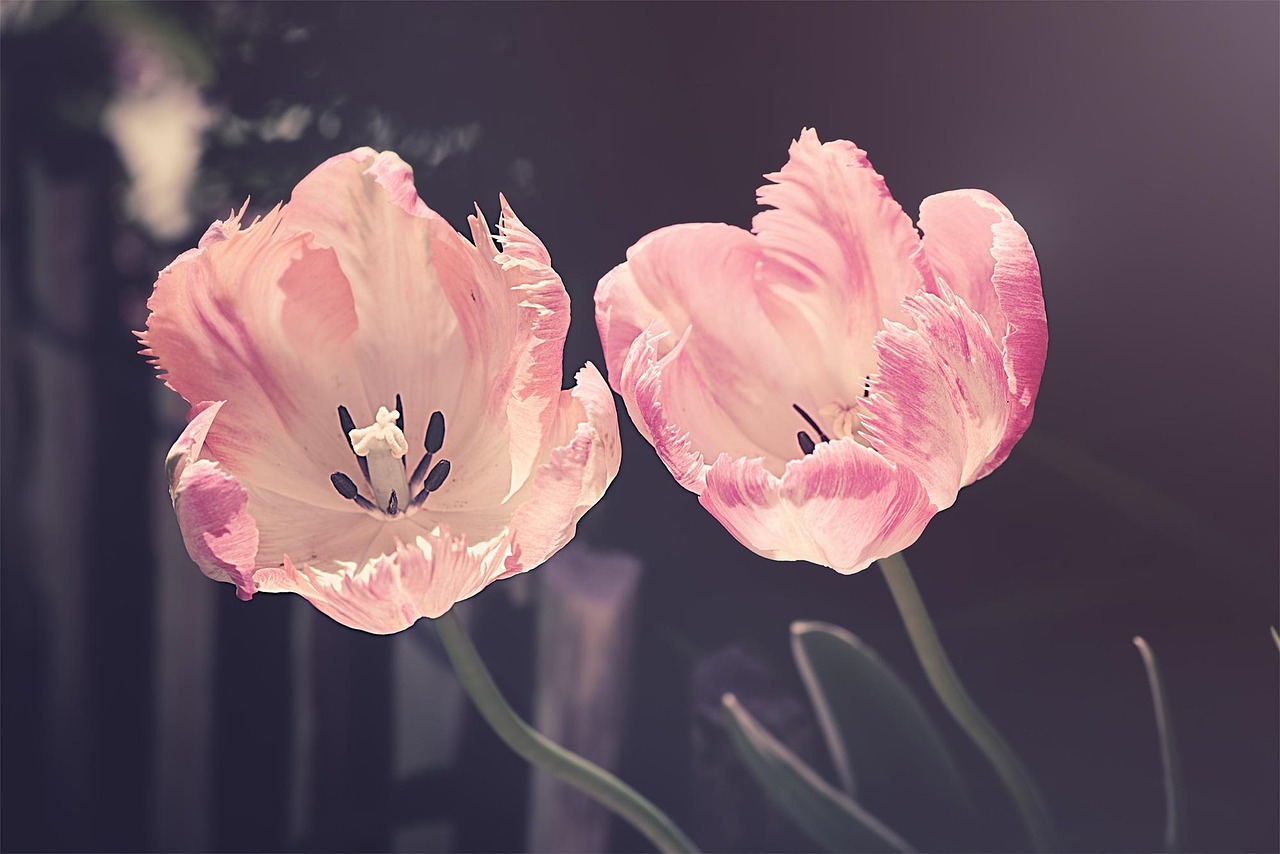
There is a particular satisfaction in carrying a trug of flowers into the kitchen, knowing every stem began as a speck in a paper packet on your windowsill. A cutting garden is not a formal border or a showpiece for the neighbors — it is a working plot, and that changes everything about how you plant it. Rows make sense. Dense sowing makes sense. And if a bloom gets sacrificed to the vase rather than left to fade on the plant, that is exactly the point.
The good news is that you do not need much room. A bed of roughly four by eight feet, in full sun with decent drainage, will keep a household in flowers from early summer through the first frost if you choose well. The trick is to think in terms of succession rather than a single glorious moment.
Before you chase rare and fussy varieties, build your cutting garden on plants that simply perform. Annuals like cosmos, zinnias, calendula, and annual asters are generous, forgiving, and quick from seed. Direct-sow them after the last frost, barely covering the seed, and thin the seedlings ruthlessly — crowded plants produce spindly stems and fewer blooms.
Add a few hardy annuals that can be sown in autumn for the earliest bouquets: cornflowers, larkspur, and nigella all overwinter well in many climates and bloom weeks before your spring-sown seeds have even stretched. Perennials earn their place too, but choose them for foliage and filler as much as for flowers. Alchemilla, hardy geraniums, and tall grasses give arrangements the looseness that makes a garden bouquet feel like a garden bouquet.
One more consideration: stem length. A flower that looks perfect in the border may be too short for the vase. Read descriptions carefully and favor varieties bred for cutting — they exist for good reason.
The single biggest mistake new cutting gardeners make is sowing everything at once. You end up with a tidal wave of blooms in July and nothing in September. Instead, sow small patches of your favorite annuals every two to three weeks through late spring and early summer. A few feet of seed at a time is plenty. This succession sowing is what keeps the kitchen table supplied for months rather than weeks.
Harvesting, likewise, should be a habit rather than an event. Cut in the cool of the morning, when stems are fully hydrated. Carry a clean bucket of water to the garden and plunge stems immediately. Strip the lower leaves so nothing sits below the waterline, and condition your flowers in a cool, dim spot for a few hours before arranging.
And cut more than you think you should. Every bloom you take encourages the plant to make more. Let a few go to seed at the end of the season, save those seeds, and next spring your cutting garden begins with a small inheritance from the year before.
