Floral Design
Most garden advice is visual: plant for color, for height, for contrast. But the gardens we remember are usually the ones we smelled. A wall of jasmine on a warm evening, a rose so fragrant it stops you mid-step, the herbal sharpness of rosemary crushed underfoot — scent is the most intimate way a garden speaks to us.
Designing for fragrance requires a slight shift in thinking. You are no longer arranging shapes on a canvas; you are planning invisible currents of air. Placement, timing, and enclosure all matter. A fragrant plant in the wrong spot may go entirely unnoticed, while the same plant in the right one can perfume an entire patio.
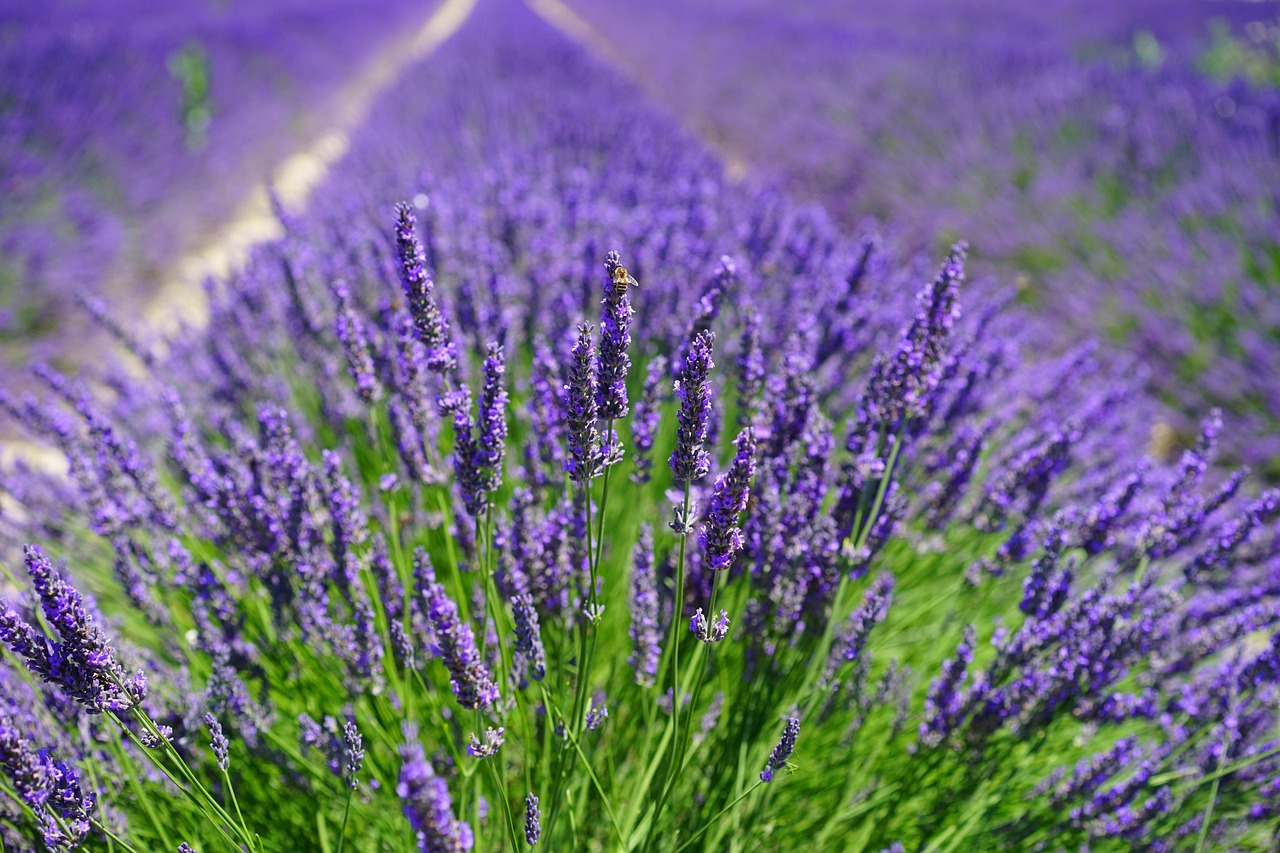
Start with the classics. Roses remain unmatched, but not all are fragrant — look for older varieties, especially damask, gallica, and many English roses. Lavender is essential, and its gray foliage looks beautiful even when not in bloom. Jasmine, honeysuckle, and sweet peas offer evening or daytime perfume depending on the variety. Lilies, especially the oriental types, are almost overwhelming in the best way.
Don't overlook the quiet performers. Scented geraniums release their fragrance when brushed, making them ideal beside a path or chair. Nicotiana perfumes the evening air, and its white flowers glow in twilight. Stocks, mignonette, and wallflowers offer old-fashioned charm with a fragrance that feels like a memory. Herbs are another easy win: thyme, mint, oregano, and lemon balm all release scent when walked past or pinched.
Timing is everything. Some plants release fragrance in the heat of the day — lavender, roses, herbs. Others, like jasmine and nicotiana, save their perfume for evening. Plant both kinds, and your garden will change character across the day, offering something different at breakfast and again at dusk.
Fragrance travels on still, warm air and gets trapped by enclosure. A courtyard, a walled garden, or even a hedge will hold scent close; an open, windy site will scatter it. If you have a small space, use this to your advantage — a tiny patio can become intensely fragrant with just a few well-chosen plants.
Place strongly scented plants where you will pass them often: beside a gate, along a path, near a bench, under a window. Scent is triggered by proximity and touch, so the garden you brush against is the garden you smell. A lavender hedge along a walkway does more for fragrance than a whole bed of it at the back of the border.
Finally, plant in layers of season. Winter honeysuckle, daphne, and witch hazel scent the coldest months. Spring brings hyacinths, violets, and wallflowers. Summer belongs to roses, lilies, and jasmine. Autumn offers the surprising sweetness of certain chrysanthemums and the spice of late-blooming herbs. With a little planning, your garden can smell like something wonderful every month of the year.
