Garden Design
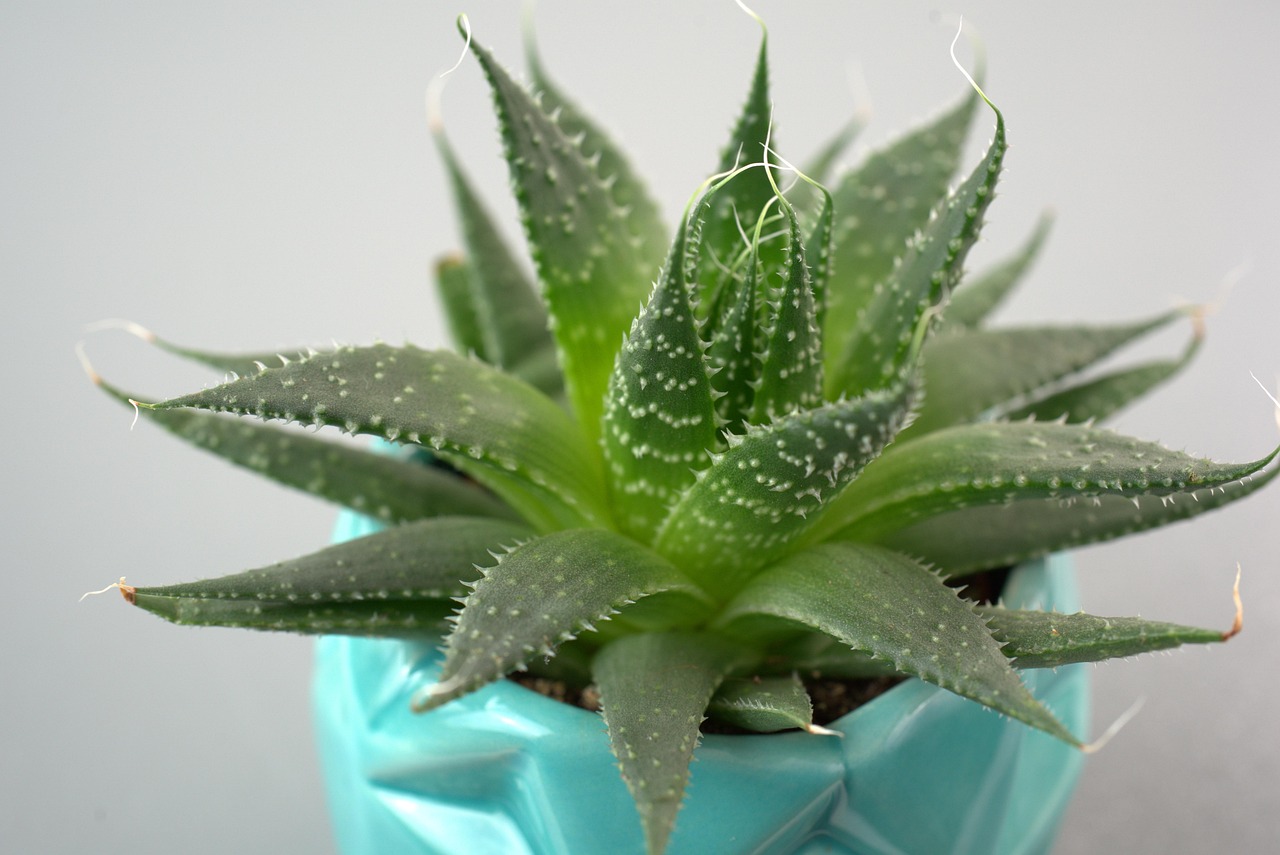
Small gardens get a bad reputation for being limiting, but the truth is that a confined space often produces better design than a sprawling one. When every plant has to earn its place, you stop making filler decisions. A balcony, a narrow side yard, or a courtyard can hold a garden with more character than a half-acre lawn — it just requires a different way of thinking.
The first shift is from area to volume. In a small garden, the vertical dimension is the one most people ignore, and it is where the space actually lives. Walls, railings, fences, and the edges of paths can all carry plants. The second shift is from quantity to quality. You will not have room for everything, so choose plants that do more than one job: fragrant, long-blooming, good for cutting, or beautiful in winter.
Vertical planting is the single most effective move in a small garden. Trellises, wall-mounted planters, hanging baskets, and tall narrow pots can double or triple your growing surface without taking up a single extra inch of floor. Climbers like sweet peas, clematis, and jasmine turn a bare wall into a living screen. Herbs and strawberries thrive in stacked containers. Even a simple row of pots at different heights creates a sense of depth that a flat bed cannot match.
Be deliberate about what you put at eye level. In a small space, you are always close to your plants, so scent and detail matter more than they would at a distance. Put the most fragrant plants where you sit, and the most detailed flowers where you will actually stop and look at them.
Containers, of course, do most of the work. Use the largest pots you can reasonably manage — small pots dry out fast and limit root growth. Group them in odd numbers, vary the heights, and repeat a few key plants to create cohesion. A single color echoed in three pots reads as a design; ten different colors read as a jumble.
In a small garden, less really is more. Choose three or four main plants and repeat them. Repetition creates rhythm and makes a space feel intentional rather than accidental. A single variety of lavender in four pots will look better than four different plants in four pots, almost every time.
Be honest about what is not working. If a plant is struggling, sulking, or simply not pulling its weight, take it out. In a large garden you can afford to wait and see; in a small one, a dud takes up space that a good plant could be using. This feels ruthless at first, but it is the fastest route to a garden that looks cared for.
Finally, use the seasons. A small garden can be replanted or rearranged more easily than a large one, so treat it as a series of small scenes. Spring bulbs in pots, summer annuals, autumn grasses, winter evergreens — each gets its moment, and nothing overstays. A tiny garden that changes through the year will always feel bigger than it is.
