Small Space Gardening
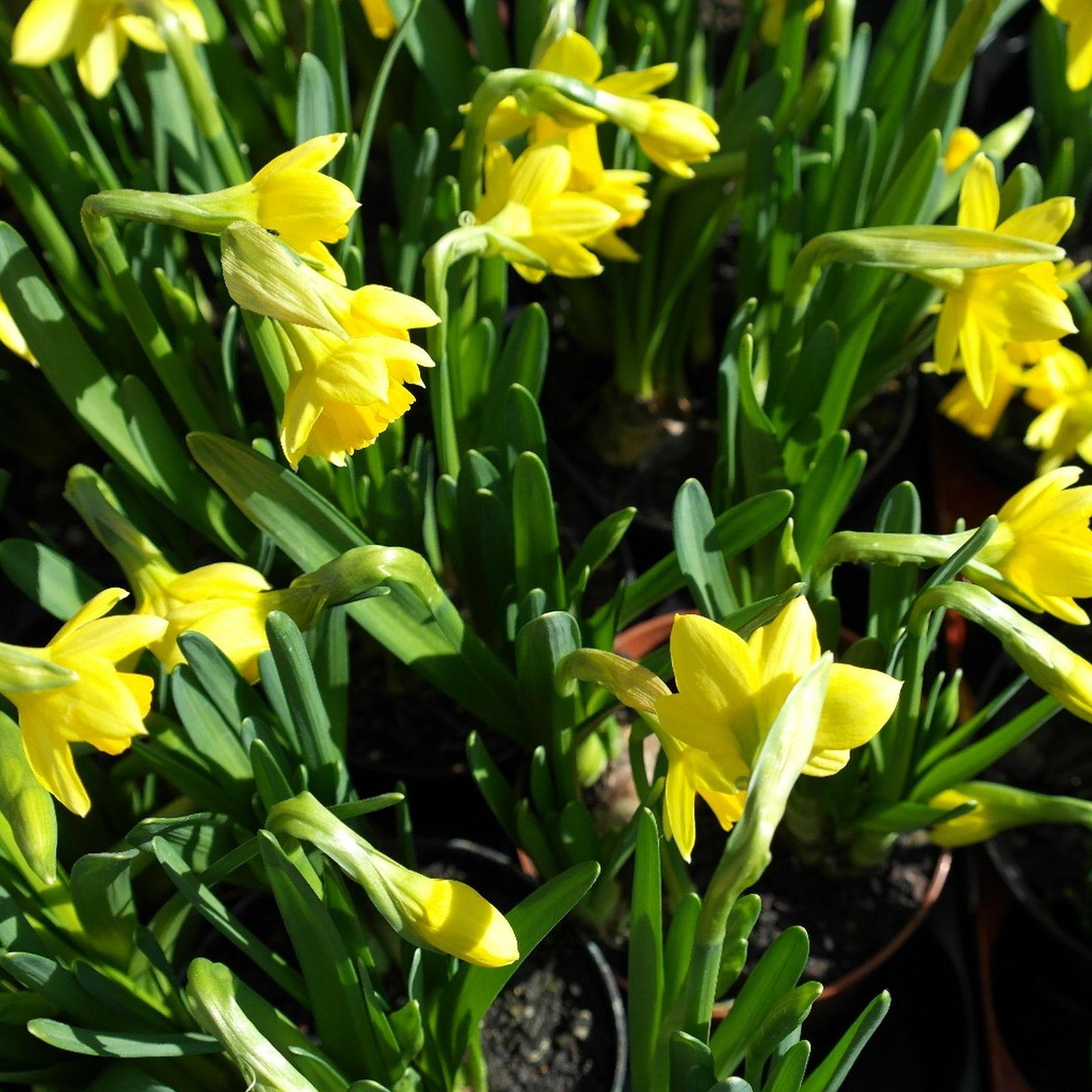
Some of the most satisfying spring moments happen in a pot no bigger than a bucket. Tulips pushing through cold soil, daffodils nodding on a windowsill, crocus opening their first purple cups while the ground is still frozen — bulbs are among the most rewarding plants a small-space gardener can grow. They ask for very little: a pot, some compost, a sunny spot, and patience through the winter.
The key to success is understanding that bulbs are built for storage. Everything the flower needs is already packed inside. Your job is simply to give it the conditions it expects — cool, moist, dark weeks followed by warmth and light. In the ground, nature handles this. In containers, you do.
One of the loveliest tricks for containers is layering bulbs like a lasagna. Fill your pot partway with compost, then plant the largest bulbs — tulips or daffodils — deepest. Add a layer of soil, then plant medium bulbs like hyacinths, then more soil, then small bulbs such as crocus, muscari, or snowdrops near the surface. Top with compost and water well.
Because different bulbs bloom at different times, the same pot will give you a sequence of flowers across six to eight weeks. The crocus comes first, then the daffodils, then the tulips push up through the fading foliage of everything before. It looks effortlessly natural, as though the pot decided on its own to bloom in stages.
Drainage is the one thing you cannot skip. Bulbs rot in waterlogged soil, and containers are notorious for holding moisture. Choose pots with generous drainage holes, and add a layer of grit or broken pottery at the base. Terracotta is traditional and beautiful, but it dries out quickly in spring sun; glazed ceramic or plastic holds moisture longer and is more forgiving if you forget to water.
In cold climates, containers of bulbs need protection from hard freezes, which can crack pots and kill bulbs. Tuck pots against a sheltered wall, group them together for insulation, or move them into an unheated garage or shed until late winter. The goal is cold but not frozen solid. In milder regions, pots can stay outside all winter with a little mulch over the surface.
Water sparingly through winter — just enough to keep the compost from drying completely. As shoots appear in early spring, increase watering and move pots into sunlight. Once flowers fade, deadhead but leave the foliage to yellow naturally; the leaves are feeding next year's bulb. You can either plant the bulbs in the garden afterwards or simply compost them and start fresh next autumn. Either way, you will have had a spring display that cost less than a bouquet and lasted far longer.
