Floral Design
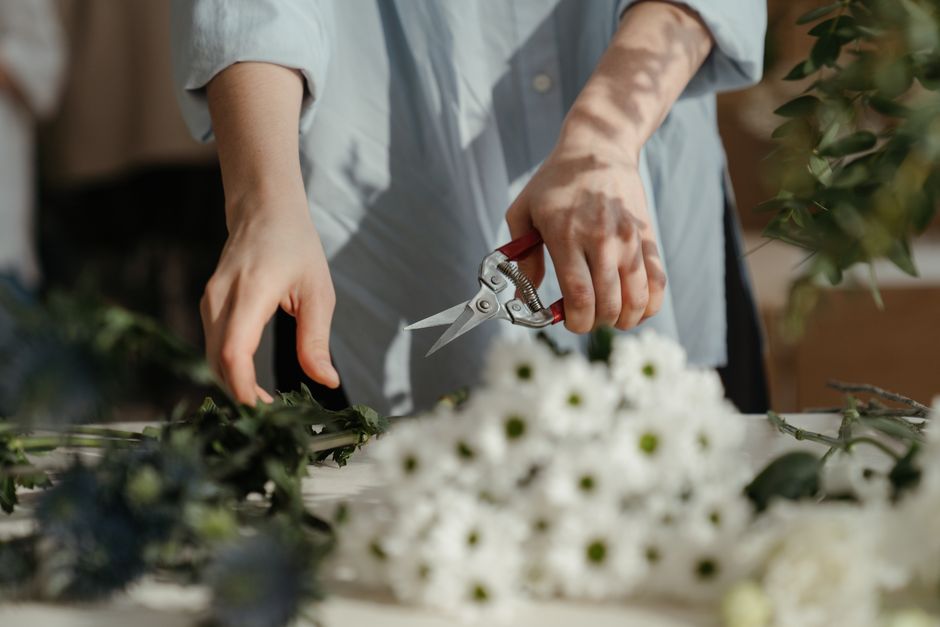
There is a particular kind of magic in walking out to the garden with scissors and returning with an armload of flowers. It feels extravagant, almost illicit, as though you have gotten away with something. But if you plant the right varieties, this is not a rare treat — it is simply Tuesday. The secret lies in choosing cut-and-come-again flowers, plants that respond to harvesting by producing even more blooms.
The logic behind this is simple botany. When you cut a flower before it sets seed, the plant redirects its energy into making new blooms. You are not stealing from the plant; you are partnering with it. Annuals like cosmos, zinnias, and calendula are especially generous this way, and many will keep producing from early summer until the first hard frost if you stay diligent about picking.
The most reliable cutting gardens are planted in waves rather than all at once. Sow a succession of quick-growing annuals every two to three weeks from spring through midsummer, and you will never face a gap in the vase. Zinnias started in June will be blooming just as the first flush of sweet peas fades. A second sowing of cosmos in July carries you through the late-season slump when everything else looks tired.
Perennials deserve a place too, even if they are less frantic about production. Dahlias are the workhorses of the cutting garden — the more you cut them, the more they bloom, right up until frost. Yarrow, rudbeckia, and perennial salvias offer steady, dependable stems. And don't overlook foliage: bronze fennel, flowering tobacco, and scented geraniums add texture and fragrance that make a simple bouquet feel designed rather than gathered.
Harvesting technique matters more than most gardeners realize. Cut in the cool of early morning or evening, when stems are fully hydrated. Bring a bucket of water into the garden with you and plunge stems immediately. Strip the lower leaves so nothing sits below the water line, and make your cuts just above a leaf node so the plant knows where to branch next. A clean diagonal cut with sharp snips gives the stem more surface area to drink.
Once you are harvesting regularly, the fun shifts from growing to arranging. A good bouquet generally needs three elements: a focal flower, filler, and something airy or trailing. A dahlia as the star, zinnias as supporting color, and a few wisps of love-in-a-mist or grasses to soften the edges. This formula works whether you are making a tight market-style posy or a loose, meadowy arrangement.
Don't be afraid to mix heights and let stems cross naturally. The most beautiful homegrown bouquets are rarely symmetrical. They look like the garden they came from — a little wild, deeply personal, and generous in a way that no florist's arrangement quite replicates. Start small with a few packets of seed, and you may find that your garden slowly transforms around the vase.
