Garden Care
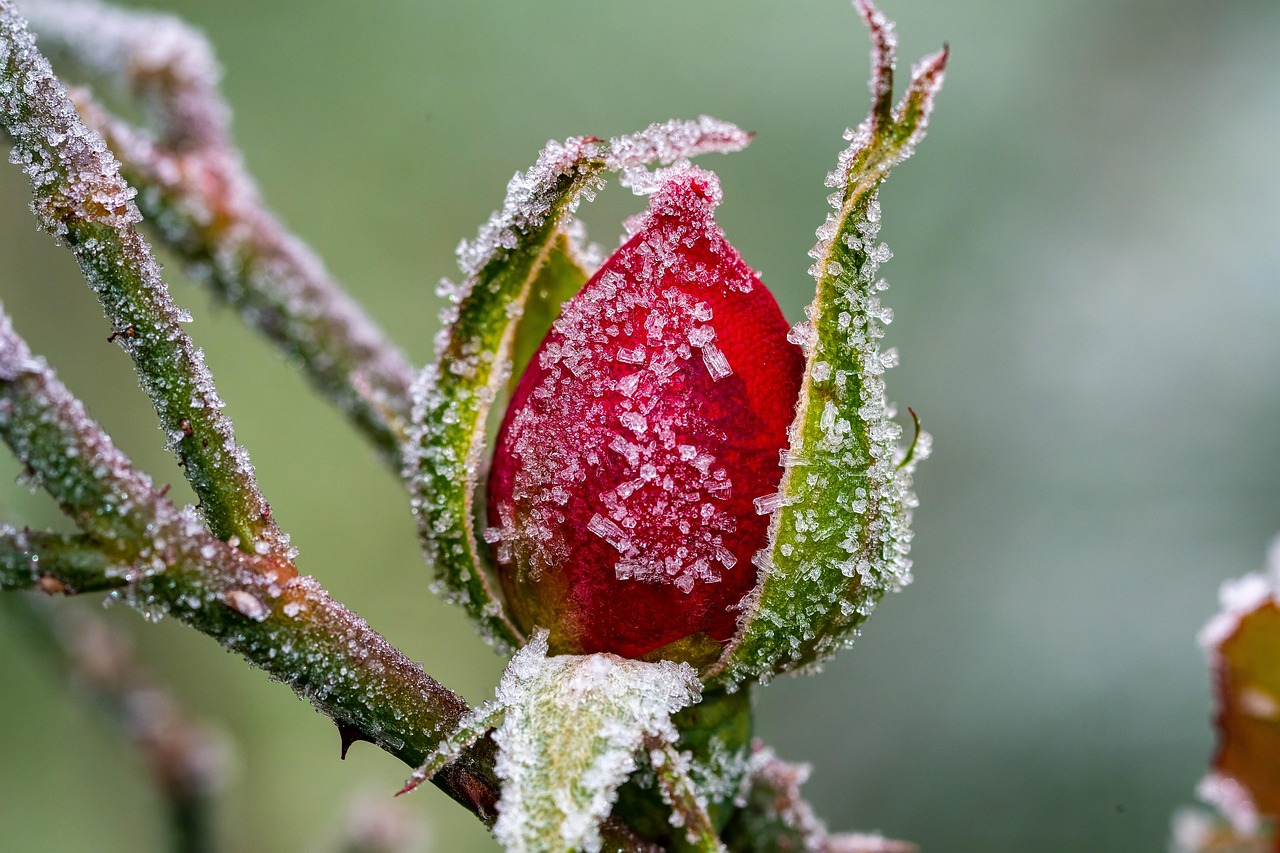
Most gardens are designed for June. We choose plants in spring, when everything is possible, and by December the borders are a flat brown memory. But winter is not a dead season — it is a season with a different palette, and gardens that acknowledge it feel alive all year. The key is to plan for winter while you are planting in spring, which takes a certain amount of imagination and a willingness to value structure over color.
The plants that carry a winter garden fall into a few useful groups: evergreens that hold their shape, shrubs and trees with striking bark, plants with berries or seed heads that persist, and grasses that stand through snow. None of them are flashy in July, which is precisely why they get overlooked.
Think of your garden as a room. In summer, flowers are the cushions and throws; in winter, only the furniture remains. Evergreen shrubs are that furniture. Choose a mix of shapes — upright, rounded, spreading — and place them where they will anchor the view when everything else has collapsed. Yews, hollies, boxwoods, and dwarf conifers all earn their keep. A single well-placed evergreen can do more for a winter border than a dozen summer perennials.
Bark is the other great winter asset. Birches, dogwoods, and maples with striped or peeling bark catch low winter light in a way that stops you in your tracks. Red-twig dogwood is the classic example, and it rewards hard pruning in early spring to keep the young, brightly colored stems coming. Plant it where the winter sun will rake across it, and you will understand why it is worth the space.
Berries deserve a place too, though you will need to accept that the birds may take them. Hollies, cotoneasters, and viburnums all hold fruit into the cold months, and the sight of a red berry against grey sky is one of the small pleasures of the season.
Resist the urge to cut everything back in autumn. Many perennials — coneflowers, sedums, ornamental grasses, alliums — look their best in decline. Frost turns their seed heads silver, and snow settles on them in ways that no summer flower can match. They also provide food and shelter for overwintering insects and birds, which is reason enough.
The trick is to leave the right things standing. Anything that turns to mush — hostas, most hardy geraniums, daylily foliage — should still be cleared, or it will mat down and smother the crown. But the plants with stiff stems and dry seed heads can stay until late winter, when you cut them back just before new growth begins.
Finally, consider a few winter-flowering plants for the moments when you need them most. Hellebores, winter jasmine, and witch hazel all bloom in the coldest months, and their flowers feel like a small act of defiance. Plant them near a path or a door, where you will actually see them, and the garden will not disappear after all.
