Floral Design
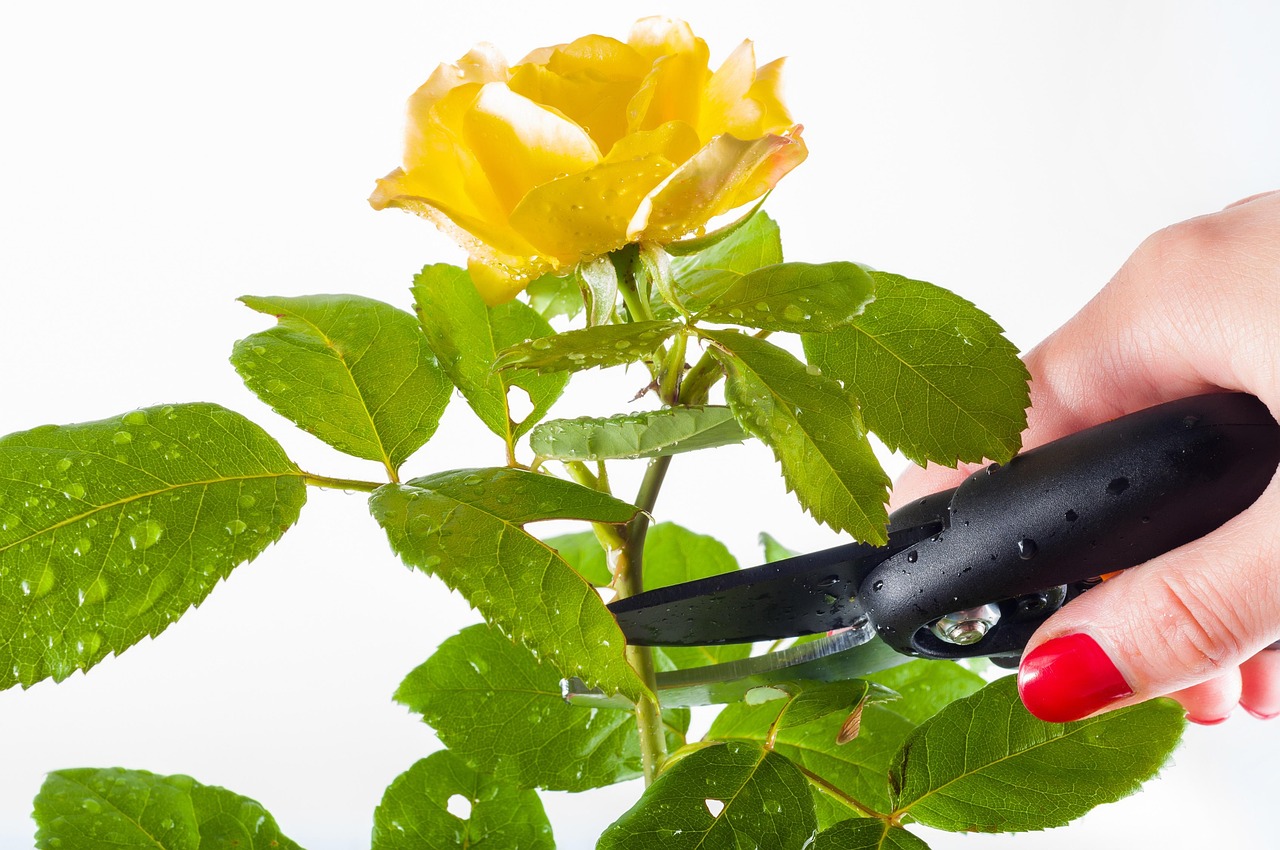
Few garden tasks pay back as quickly as deadheading, and few are surrounded by as much vague advice. The idea is simple: when a flower finishes blooming, the plant's energy shifts toward making seed. Remove the fading flower before that happens, and the plant often redirects that energy into more blooms. But not every plant plays along, and knowing the difference saves you hours of pointless snipping.
The plants that respond most enthusiastically are the ones we grow precisely for their flowers — annuals and repeat-blooming perennials that have the genetic capacity to keep producing. Cosmos, zinnias, dahlias, roses, geraniums, salvia, and most daisies will reward regular deadheading with a longer season. Plants grown for seed heads, berries, or foliage — sunflowers left for the birds, ornamental grasses, sedums in autumn — should be left alone. And single-season bloomers like most lilacs and peonies will not rebloom no matter how diligently you snip, though removing spent flowers still tidies the plant.
The mechanics matter more than most people expect. Cutting in the wrong place can leave an ugly stub or remove the very buds you were hoping would open next.
For most flowers, follow the fading stem down to the first strong set of leaves or a side shoot, and cut just above it. That side shoot is usually where the next flush of buds is waiting. On plants with many small flowers in a cluster — think yarrow or verbena — you can either pick off individual spent florets or shear the whole cluster once it has mostly finished. Shearing is faster and often triggers a fresh round of bloom.
Roses deserve their own note. Cut spent blooms back to a five-leaflet leaf pointing outward from the bush. This directs new growth away from the center, keeping the plant open and reducing disease. Dahlias, similarly, should be cut back to a pair of leaves rather than leaving a long bare stem, which can die back and invite rot.
Tools: your fingers work fine for soft-stemmed plants, and sharp snips or scissors handle the rest. Keep them clean, especially between plants, and you will avoid spreading problems around the garden.
The reason deadheading feels tedious is that we often save it up. A week of neglect turns a ten-minute walk into an hour of guilt. Instead, make it part of every garden visit. Carry a small bucket or a pocket for spent blooms as you water in the evening, and pinch as you go. It becomes less a task than a way of paying attention — you notice the first aphids, the dry spot, the bud that is about to open.
One caution: if you are saving seeds, mark a few choice flowers and let those go. Deadheading everything means no seed to collect and nothing for the birds. A garden needs both generosity and discipline, and knowing which plant gets which is most of the skill.
